
When purchasing an espresso machine, many users focus on design or brand. Still, the type of pump is one of the most important factors that directly affects extraction quality, flavor consistency, noise level, and machine lifespan.
The pump is the true heart of an espresso machine. It is responsible for generating the pressure that forces hot water through the coffee grounds. In this article, we explore the different types of espresso machine pumps, explain the practical differences between them, and provide real examples of well-known machines available in the Saudi market.
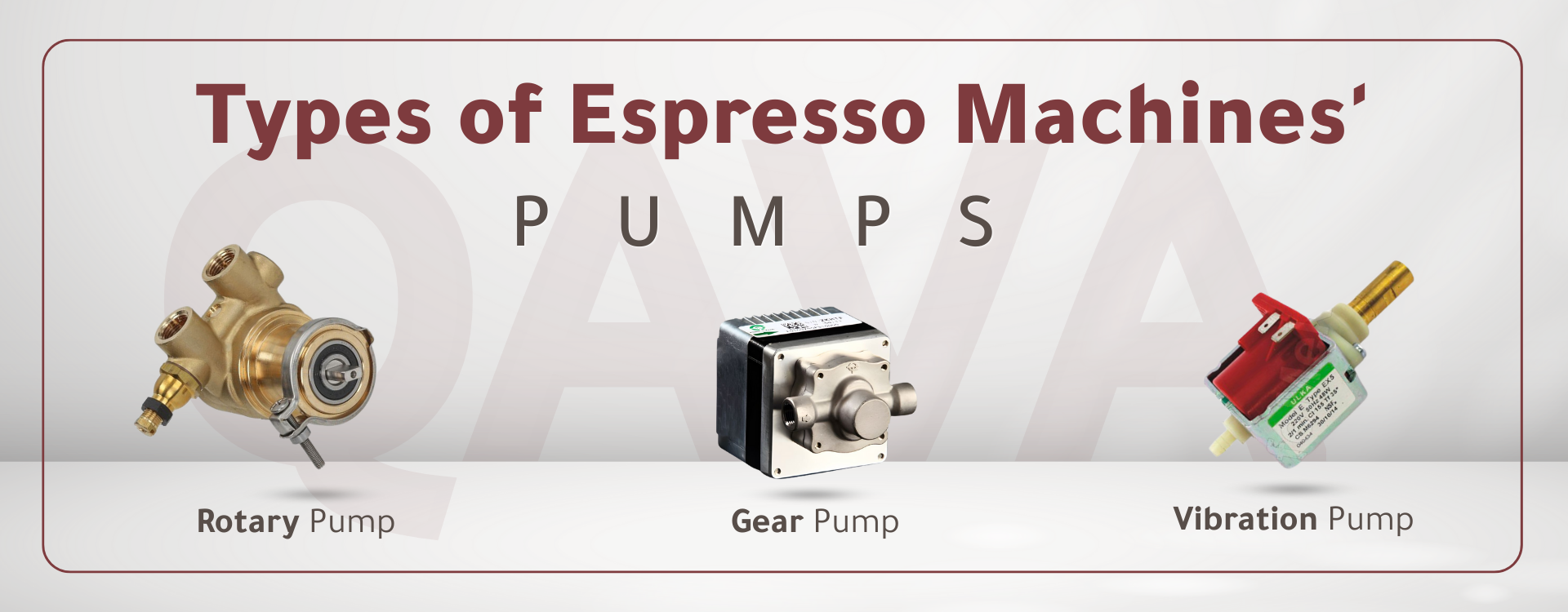
Espresso machine pumps generally fall into three categories: vibratory pumps, rotary pumps, and gear pumps. Each type has a direct impact on pressure stability, extraction quality, and the level of control during coffee preparation.
How Does an Espresso Machine Pump Work?
The pump pushes water through the coffee at a pressure regulated inside the machine. While 9 bar is considered the traditional benchmark for espresso extraction and is recommended by the Specialty Coffee Association, this value is not fixed or mandatory. Many modern machines use lower or variable pressure to achieve a more balanced extraction.
What matters most is pressure stability and control during extraction, as unstable pressure can lead to:
Uneven extraction
Excessive bitterness or acidity
Inconsistent results from shot to shot
This is why espresso quality varies significantly depending on the type of pump used.
Vibratory Pump
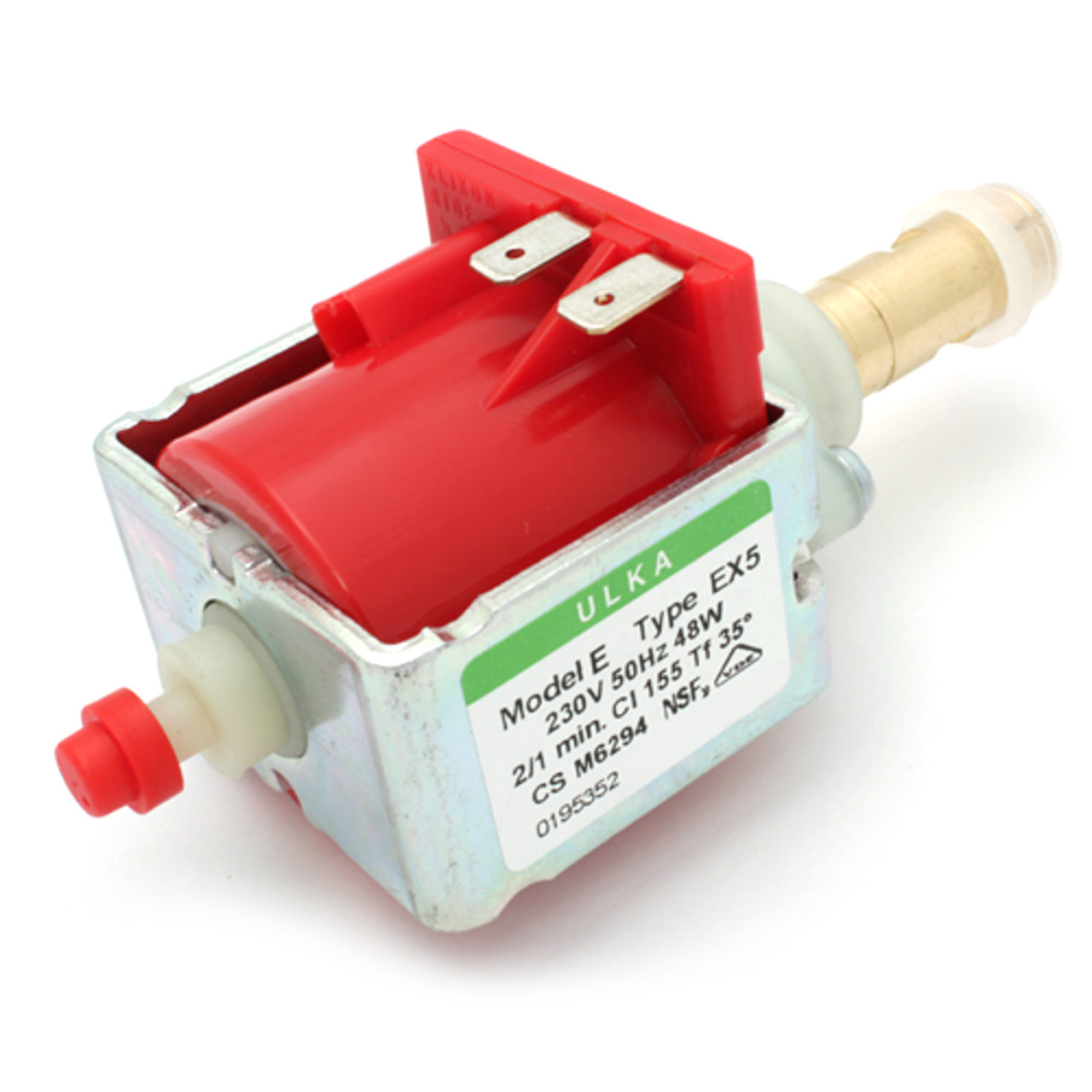
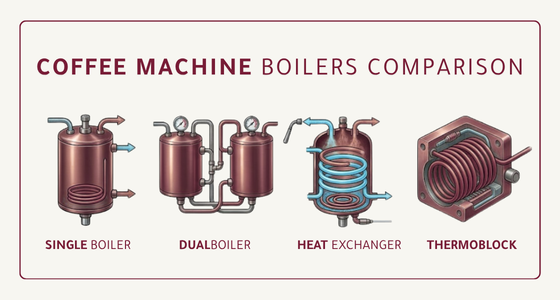
The vibratory pump is the most common type found in home espresso machines, especially those using a single boiler or thermoblock system. It operates using an electromagnetic piston that vibrates rapidly to push water through the system.
Advantages
Low cost
Lightweight and compact size
Easy to maintain and replace
Suitable for compact home espresso machines
Disadvantages
Louder operation compared to other pump types
Naturally fluctuating pressure
Less suitable for heavy or continuous use
Cannot be connected directly to a water line
Takes slightly longer to build pressure
Pressure Control and the Importance of OPV
Vibratory pumps often produce higher pressure than required. For this reason, an OPV (Over Pressure Valve) is essential to regulate pressure, improve extraction quality, and reduce bitterness.
Examples of Machines Using a Vibratory Pump
Rocket Appartamento: One of the most popular home espresso machines, featuring an elegant design and the professional E61 group head—an excellent choice for home coffee enthusiasts.
Nuova Simonelli Oscar II: One of the best-selling espresso machines in Saudi Arabia. It is offered with a built-in OPV for improved pressure stability and extraction performance.
La Marzocco Linea Mini: An example of a high-end machine that uses a vibratory pump. It is commonly chosen by advanced home users seeking café-level performance, despite its premium price range.
Who Is It Best For?
Vibratory pumps are ideal for home use and beginner-to-intermediate users, and may also appear in high-end machines when combined with advanced control systems.
Rotary Pump
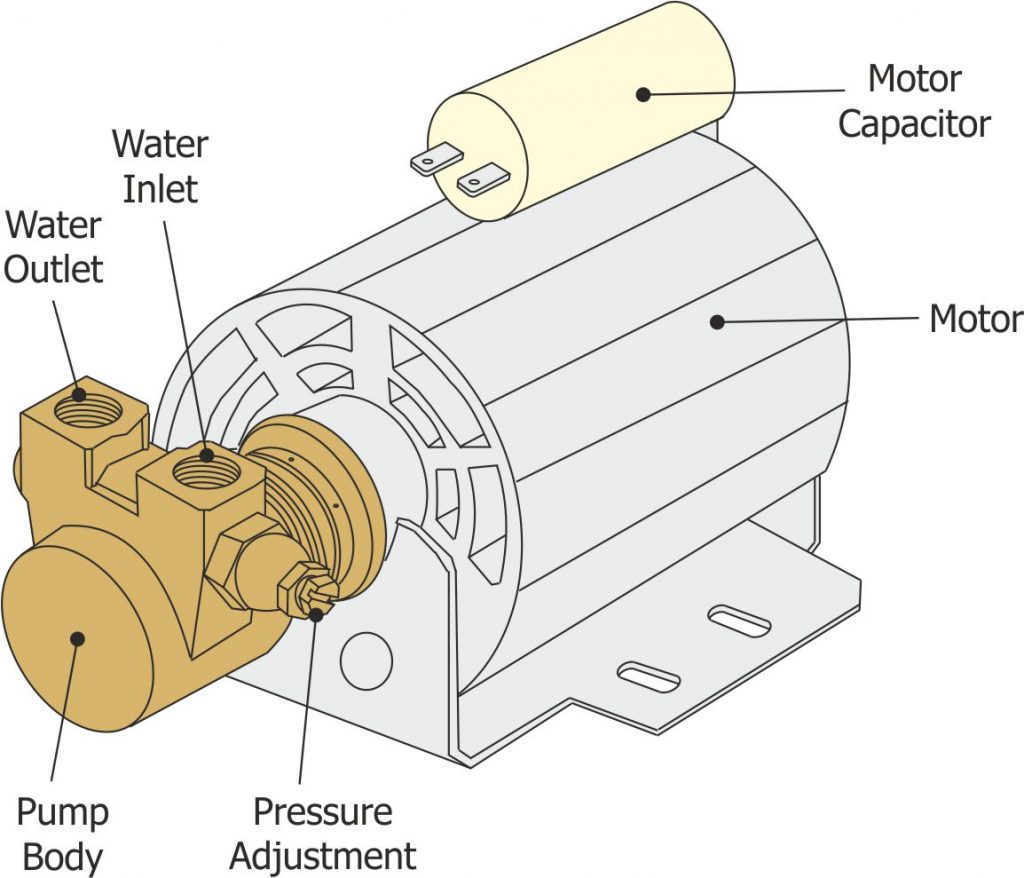
A rotary pump operates using an electric motor and rotating vanes that move continuously inside the pump body to generate stable pressure. This type of pump is commonly found in professional and commercial espresso machines.
Advantages
Very quiet operation
Stable and consistent pressure
Long service life
Highly consistent extraction results
Disadvantages
Higher cost
Larger physical size
Requires more internal space
Why Is It Better for Extraction?
Rotary pumps provide a stable pressure throughout the entire extraction process, directly improving flavor balance and espresso quality.
Examples of Machines Using a Rotary Pump
Lelit Bianca: An elegant prosumer espresso machine with a rotary pump, offering excellent pressure stability, direct water connection, and advanced flow control.
ECM Synchronika: A premium rotary pump machine known for its quiet operation, reliability, and consistent performance.
Rocket Espresso Giotto Fast Type R: A professional espresso machine with a rotary pump, offering stable pressure and quiet performance for advanced home users.
La Marzocco GS3: One of the most well-known high-end home espresso machines uses a rotary pump and serves as a benchmark for extraction stability and quality.
Who Is It Best For?
Advanced home users (prosumer level), as well as small cafés and coffee trucks.
Gear Pump
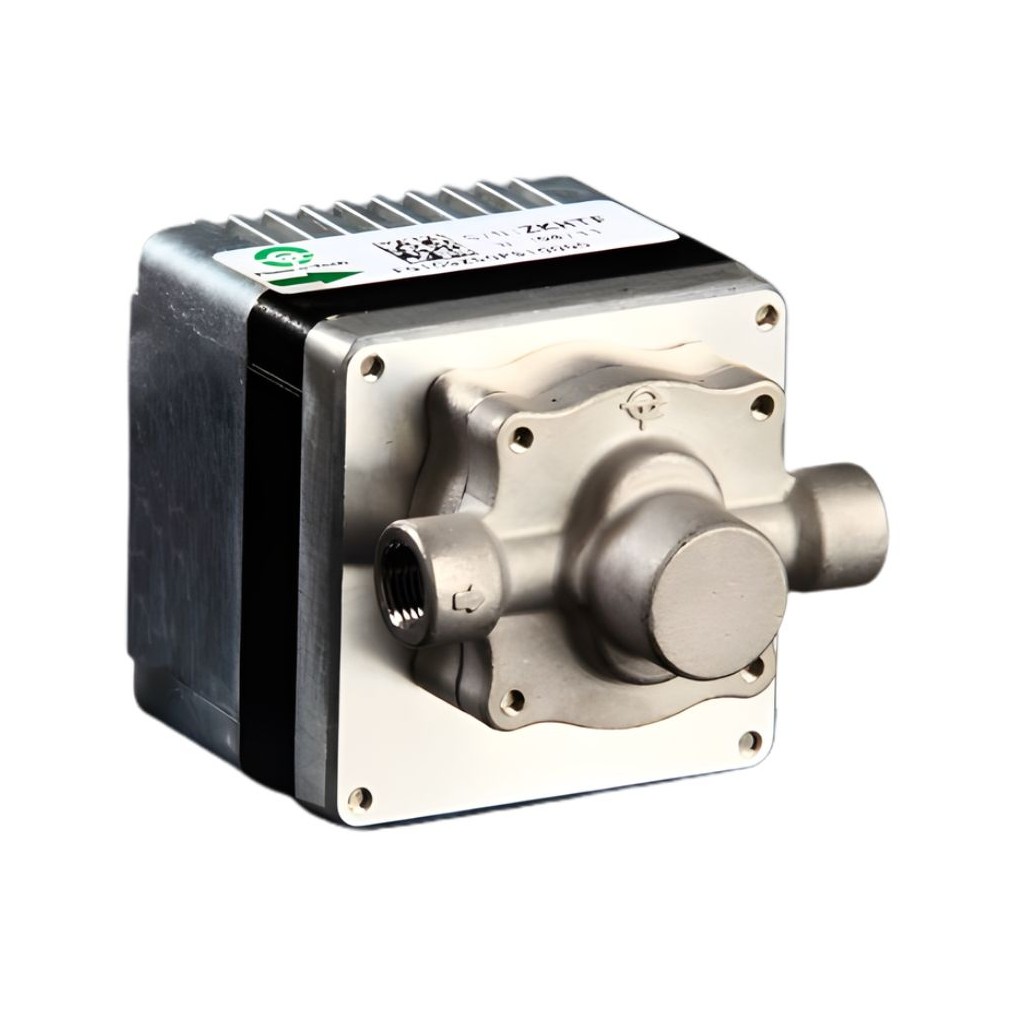
A gear pump is a positive displacement pump that uses interlocking gears to draw water in and push it through the system with extremely precise and consistent volume. It offers exceptional control over both pressure and flow, making it one of the most advanced pump systems in modern espresso machines.
Advantages
Exceptional control over pressure and flow
Ideal for pressure profiling
Very high consistency from shot to shot
Extremely low noise level
Disadvantages
Higher cost than traditional machines
Sensitive to water quality and filtration
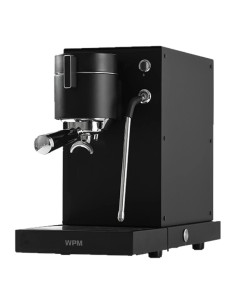
However, some machines—such as WPM Primus—offer gear pump technology at a more accessible price compared to other commercial machines in the same category.
Examples of Machines Using a Gear Pump
Slayer Espresso: Uses a gear pump to deliver ultra-precise flow and pressure control, making it a reference standard in specialty cafés.
La Marzocco Strada (EP versions): Equipped with a gear pump in electronic pressure profiling versions, designed specifically for high-end cafés and competitions.
WPM Primus: Uses a gear pump to provide advanced pressure control at a price point suitable for serious home users.
Who Is It Best For?
Specialty cafés, competitions, and professional baristas seeking full control over espresso extraction.
Magnetic Drive System
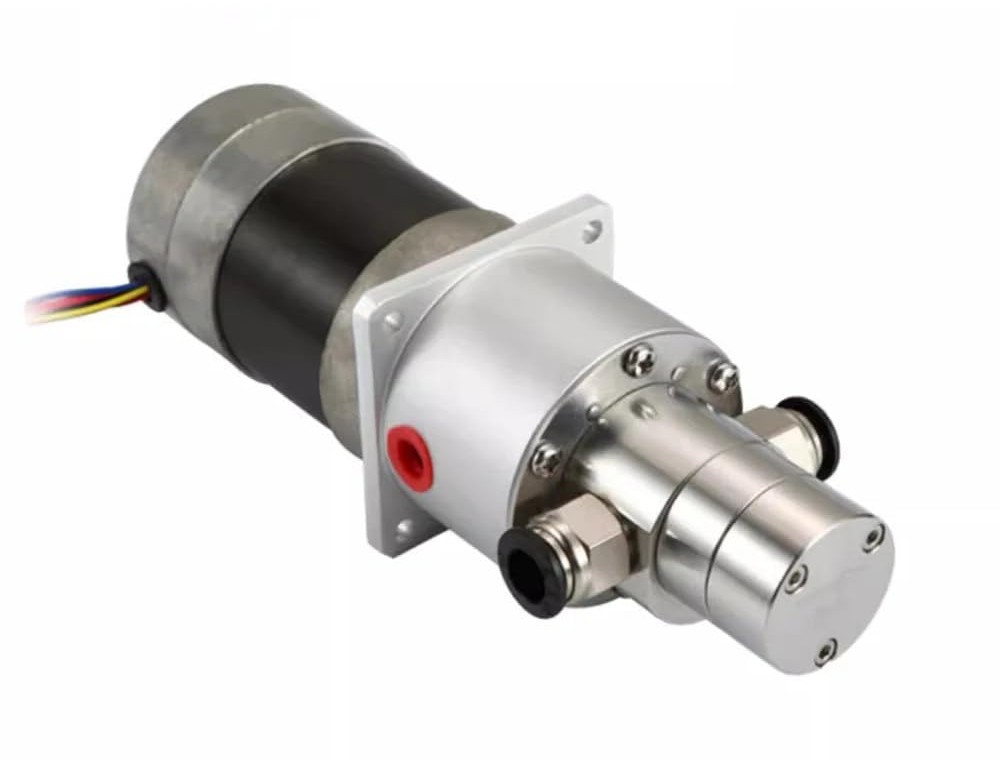
It is important to note that Magnetic Drive is not a pump type, but rather a drive system commonly used with gear pumps.
This system transfers motion through magnetic coupling instead of direct mechanical contact, reducing vibration and mechanical wear.
Advantages
Extremely quiet operation
Longer component lifespan
Improved safety and reliability
Example of a Machine Using a Magnetic Drive
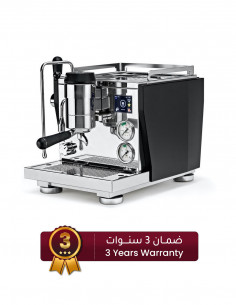
Rocket Espresso R Nine One: An advanced espresso machine that combines a gear pump with a magnetic drive system, offering highly advanced pressure control during extraction. It is ideal for advanced home users and specialty cafés seeking precision and consistency.
Watch: Espresso Machine Pump Types
Watch a detailed video explanation comparing different espresso machine pumps in action:
Comparison Table: Espresso Machine Pump Types
| Type | Noise Level | Pressure Stability | Price | Maintenance | Lifespan | Size | Direct Water Connection | Pressure Profiling | Usage |
|---|---|---|---|---|---|---|---|---|---|
| Vibratory Pump | Relatively high | Medium | Low | Easy | Medium | Small | Usually no | Not supported | Home / Beginners |
| Rotary Pump | Very low | High | Medium–High | Moderate | Long | Large | Supported | Limited (machine dependent) | Prosumer / Cafés |
| Gear Pump | Low | Very high | Higher than traditional | Professional | Very long | Medium | Supported | Fully supported | Cafés / Professionals |
| Magnetic Drive | Very low | Very high | High | Professional | Very long | Design dependent | Supported | (With a gear pump) | Cafés / Professionals |
Choosing the right espresso machine pump is not a minor detail—it is a key factor that directly impacts coffee quality and user experience. By understanding the differences between vibratory pumps, rotary pumps, and gear pumps, you can make a more informed purchase decision that fits your needs and budget.
If you have any additional questions, feel free to leave a comment below—we’ll be happy to help.
Frequently Asked Questions (FAQ)
What is the difference between a vibratory pump and a rotary pump?
Vibratory pumps are more affordable and louder, with naturally fluctuating pressure. Rotary pumps are quieter, provide more stable pressure, and have a longer lifespan, making them better suited for advanced use.
Is a gear pump better than a rotary pump?
In terms of precision and control, yes. Gear pumps offer more advanced pressure and flow control, especially for pressure profiling, but they are more expensive and require professional maintenance.
Does the pump type affect coffee taste?
Yes. Pressure stability during extraction plays a major role in extraction quality and flavor balance. Better pressure control leads to more consistent results.
Is a rotary pump necessary for home use?
It is not necessary for all users, but it is an excellent option for advanced home users seeking a café-like experience with quieter operation and consistent performance.