
Aged coffee is distinguished by its unique aromatic profile and deep flavor that comes as a result of long patience and a precise storage process. But what makes this drink so exceptional? And why has it become a new obsession or "trend" among specialty coffee lovers?
In this article, we will explore together the art of Aged Cold Brew; the secret behind its unique flavors, and how to master making Cold Brew and aging it at home like a pro to enjoy an unforgettable cup.
Key Takeaways (What you need to know)
Unique sensory experience: Aged Cold Brew combines the complex flavors resulting from aging with the ultimate smoothness of cold brewing.
Stomach-friendly: If you are looking for the best coffee for a sensitive stomach, this drink is perfect for you thanks to its exceptionally low acidity.
The secret is in the storage: Proper storage in the fridge (not freezing!) and using airtight containers or wooden barrels are the keys to a successful homemade cold brew.
What Exactly is Aged Cold Brew?
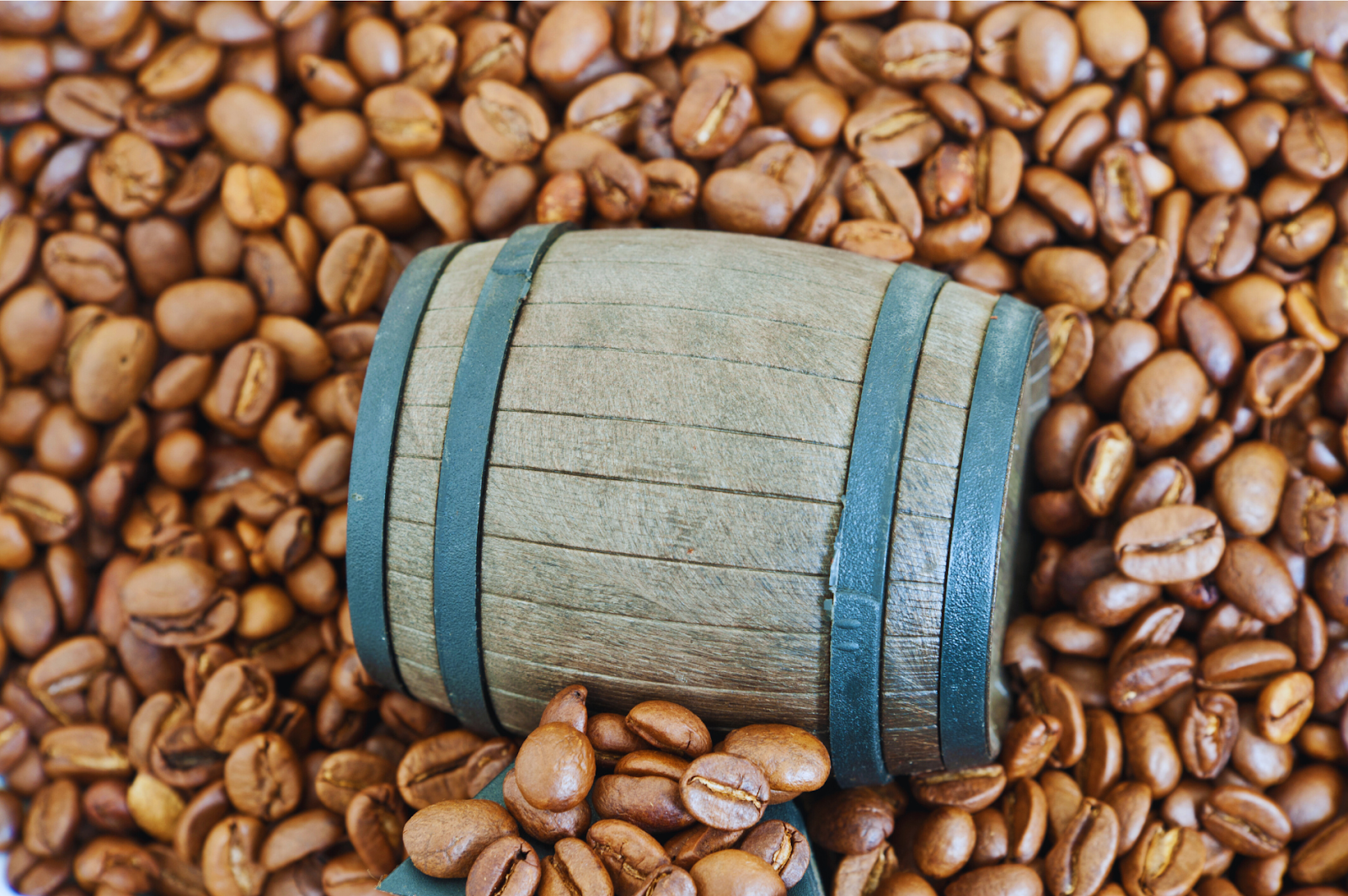
Aged coffee is defined as coffee that is left for a specific period of time under controlled conditions to develop unique characteristics, resulting in a richer and more complex flavor.
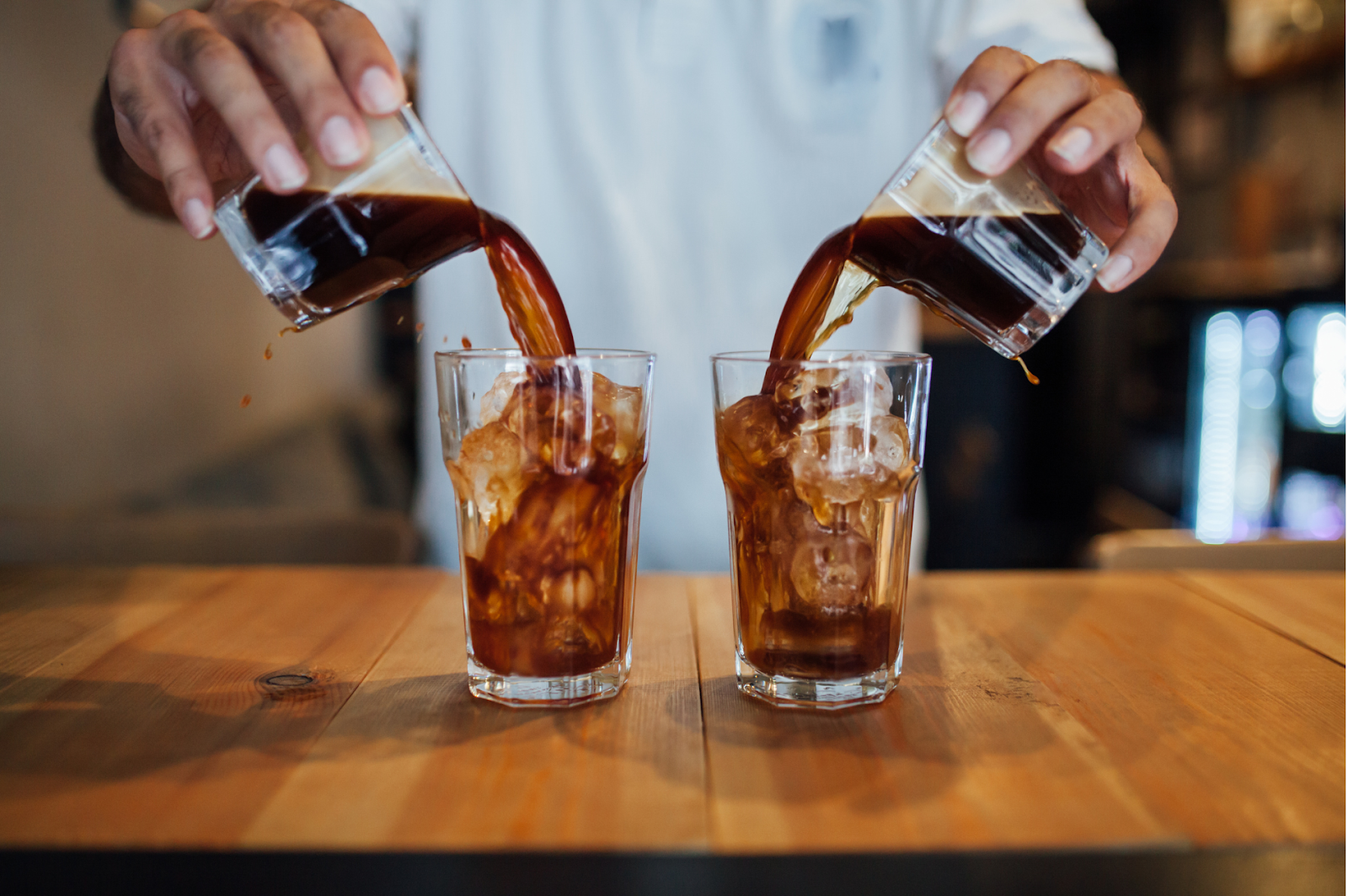
On the other hand, the traditional method of making cold brew relies on steeping coarsely ground coffee beans in cold water for a long period (from 12 to 24 hours), resulting in a smooth and cold beverage.
When we combine the two concepts, we get Aged Cold Brew; a drink that combines the smoothness of cold brewing with the deep flavors that develop over time thanks to smart storage.
Health Benefits of Aged Cold Brew
In recent years, the demand for specialty coffee products in general and cold brew in particular has increased, and consumers are constantly looking for exceptional tasting experiences. Aged coffee caters to this passion by offering unfamiliar flavors that you cannot find in regular hot coffee.
Main Benefits:
Very gentle on the stomach: Many people look for acidity-free coffee to avoid heartburn or acid reflux. Aged cold brew is considered a low-acidity coffee par excellence, making it the top choice for daily comfort.
Smooth texture and sweet taste: The aging process after cold brewing reduces bitterness and sharpness, which highlights the natural sweetness of the coffee and reduces your need to add sugar.
Rich in antioxidants: Cold brew retains the antioxidants that support body health and boost energy.
The Science Behind Aging Coffee: How to Avoid Disastrous Mistakes?
Aging is a magical blend of chemistry and art. Over time, the levels of some pungent chemical compounds decrease, and slow oxidation allows new flavors to emerge. But for the process to succeed, strict attention must be paid to storage conditions.
Temperature and Storage (Beware of this common mistake!)
People often ask about the shelf life of cold brew or how long it can be stored. The whole secret lies in the temperature. Cold brew must be kept in the refrigerator at a temperature between 2 to 4 degrees Celsius to ensure flavors develop slowly and maintain quality for as long as possible.
Important Scientific Warning ⚠️
Never freeze cold brew coffee for the purpose of aging it! Freezing at sub-zero temperatures destroys the essential oils and separates the water from the coffee, which completely ruins the drink's texture and flavor. Aging requires the coolness of a refrigerator, not a freezer.
How to Make Cold Brew at Home (Practical Steps Before Aging)
Watch on Qavashop's Channel: How to make the most delicious homemade cold brew
Since aging starts after brewing, here are the essential steps to prepare a perfect and clear "cold brew", ready for the storage and aging phase:
The Golden Ratio: The best ratio for cold brew is (1:10) or (1:8) if you prefer a higher concentration, meaning 100 grams of coffee per 1000 ml (1 liter) of water.
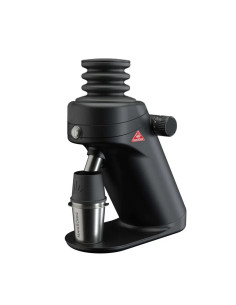
The Right Grind: Grind the coffee beans using a specialty coffee grinder to a very coarse grind (coarser than V60/filter grind). A fine grind will make the drink bitter and complicate the filtering process.
Mixing and Steeping: Place the ground coffee in a large glass jar and slowly pour cold or filtered water (at room temperature) over it. Gently stir the mixture with a wooden spoon to ensure all coffee grounds are fully submerged in water.
Cold Brewing: Seal the jar and leave it in the fridge for 12 to 24 hours. (The longer the duration, the more flavors are extracted, but do not exceed 24 hours to avoid bitterness).
Filtering: This step is crucial for successful aging. Filter the coffee thoroughly using a fine paper or cloth coffee filter. You must remove all impurities and sediments, because their presence will cause continuous extraction and ruin the taste during aging.
Starting the Aging: Now, you have a clear cold brew! Transfer it to an airtight glass container, vacuum-seal it, or pour it into a wooden barrel, and place it in the fridge to begin the aging journey and flavor development.
Golden Tips for Choosing Beans and Tools
For an impressive result, ingredients and equipment play a crucial role:
1. Choosing Beans

To find the best coffee beans for aged cold brew, we recommend looking for beans with a heavy body and distinct notes.
Using single-origin coffee beans gives you a clearer flavor and a more precise experience, which helps highlight complex fruity notes during aging, unlike using a blend.
You can also choose coffee beans processed using the infusion method, which come with clear and strong flavors that enhance the aging experience, resulting in a much more complex beverage.
Considering the bean's origin, variety, and inherent flavor is crucial when aging coffee. This careful selection process ensures that aging enhances the unique characteristics of the coffee, resulting in a highly flavorful and aromatic drink.
2. Proper Tools and Storage Methods
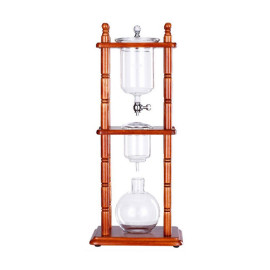
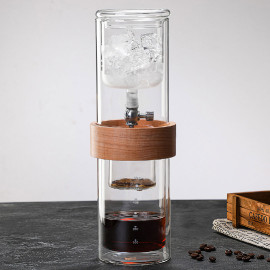
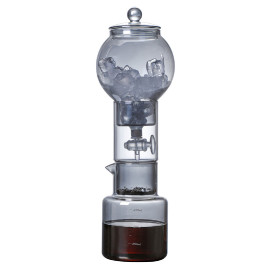
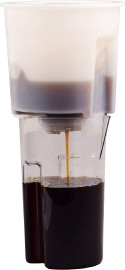
Invest in suitable cold brew makers to prepare the coffee, then choose one of the primary storage and aging methods:
Regular Cold Aging (in the fridge): This is the most common and easiest method at home. Use airtight glass containers or stainless steel vessels. Avoid plastic entirely as it may react with the coffee over time and transfer unwanted odors to the fridge. To maintain the longest shelf life for cold brew and ensure optimal aging, you can use vacuum sealers to prevent oxygen from entering and causing spoilage.
Barrel-Aged Cold Brew: As an advanced option, this method takes cold brew to a whole new level! Cold brew stored in small wooden barrels is influenced by deep wood flavors (like oak). The barrel aging process adds incredible depth and a complex flavor profile, allowing the coffee to absorb the barrel's distinct characteristics.
Recommended Aging Times Based on Roast Level
There is no one-size-fits-all rule, but here is a basic guide to start your journey:
Light Roast: It is preferred that the aging period does not exceed a few weeks (2 to 4 weeks). Its floral and fruity notes are very delicate and can fade quickly with excessive aging.
Dark Roast: Can withstand longer aging periods (up to several months if vacuum-sealed). The sharpness of a dark roast mellows over time to reveal deep, smooth chocolate and caramel notes.
Frequently Asked Questions (FAQ)
What is Aged Cold Brew?
It is coffee prepared using the cold brew method, then stored and aged for a period of time under refrigerated and airtight conditions. The process aims to develop more complex flavors while significantly reducing acidity and bitterness.
Can I freeze cold brew coffee to age it?
No, freezing cold brew should be avoided entirely. Sub-zero temperatures destroy the coffee oils and ruin its texture. Always keep it in the fridge between 2 to 4 degrees Celsius.
How long does cold brew last in the fridge?
Regular cold brew stays fresh for one to two weeks. However, if you are intentionally aging it in airtight, vacuum-sealed containers, its quality and flavor development can last for several months.
Is cold brew suitable for those suffering from heartburn?
Yes, cold brew is one of the best options for a sensitive stomach, because the cold brewing method does not extract the harsh acids found in coffee, resulting in a smooth drink that is very comfortable to digest.