
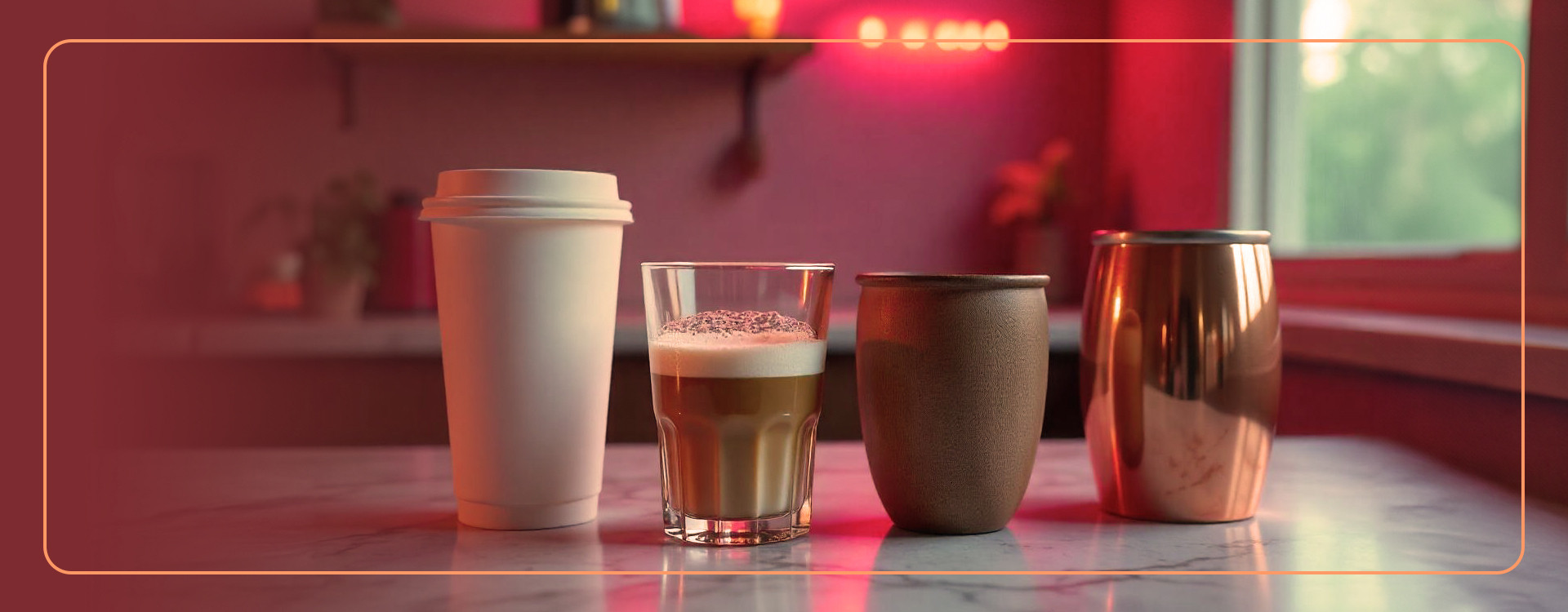
Does the taste of your favorite coffee vary from one cup to another? Absolutely! The mug's material, shape, size, and even color are chemical and psychological factors that alter your perception of coffee's flavor, aroma, and sweetness in unexpected ways.
Key Takeaways:
Cup Material: (Ceramic, glass, metal, or paper) directly impacts heat retention, purity of flavor, and coffee compound stability.
Shape and Size: Narrower cups concentrate aromatic compounds, while wider cups enhance the perception of sweetness.
Color Effect: White mugs heighten perceived bitterness, whereas colored and transparent cups highlight sweetness and clarity.
Materials Matter: How Does Cup Material Affect Coffee Taste?
The material of your coffee cup plays a pivotal role in your sensory experience. Different materials retain heat at varying rates and interact differently with coffee oils and acids, either enhancing or dulling the flavor.
1. Ceramic Mugs (The Classic Neutral Choice)
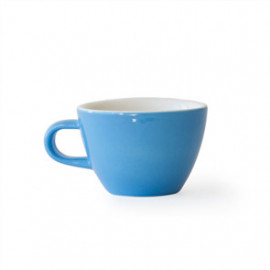
There is a good reason ceramic mugs are a staple in homes and coffee shops. Ceramic is chemically inert and neutral, meaning it won't react with coffee or impart off-flavors, delivering a pure taste with balanced thermal insulation.
2. Glass Cups (For Flavor and Visual Clarity)
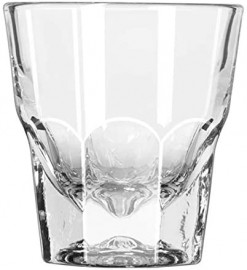
Glass cups are the ultimate choice for flavor purists. Glass is entirely non-porous, meaning it absorbs no oils and leaves coffee taste untouched. Beyond flavor, its visual appeal lets you enjoy coffee layers and rich crema.
3. Metal and Stainless Steel Mugs
Metal cups and thermal mugs are known for high durability and exceptional insulation, making them the top choice for travel and daily commutes.
Important note for thermal mug users: While these mugs excel at trapping heat, did you know that keeping coffee extremely hot for over 30 minutes accelerates acid breakdown and alters its flavor? Read our comprehensive article: Do Long-Hour Thermal Mugs Ruin Your Coffee's Taste?
4. Plastic and Paper Cups (For Quick On-The-Go Use)
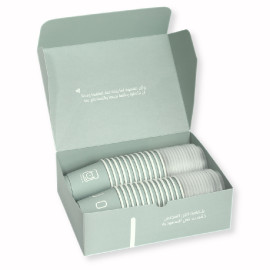
Plastic and paper cups are widely used for convenience and easy disposal. However, inner chemical linings in some paper cups can slightly react with high heat, masking subtle specialty coffee notes. You can order paper cups from Qavashop, or explore bulk commercial options on Ekuep disposable paper cups for cafes.
Shape and Size: How Cup Dimensions Impact Flavor Focus
Impact extends beyond materials; rim shape and size alter how coffee flows across your palate and how aromas disperse:
Narrow Cups: Funnel volatile aromatic compounds toward the nose, heightening smell intensity and flavor focus (ideal for espresso).
Wide Cups: Spread liquid across a larger tongue area and accelerate gradual cooling, boosting taste bud perception of sweetness (ideal for flat whites and lattes).
Large vs. Small Cups: Larger cups increase air headroom and speed up oxidation, while smaller cups maintain concentrated flavor and steady temperature.
Color and Perception: How Your Eyes Trick Your Taste Buds
Sensory psychology shows that cup color sends pre-conscious signals to your brain, setting flavor expectations before your first sip:
White Cups: Increase visual contrast against dark coffee, prompting the brain to expect a stronger brew, thus heightening perceived bitterness.
Pink and Colored Cups: Subconsciously linked to sweetness and fruitiness, reducing perceived sharpness and emphasizing natural coffee sweetness.
Transparent Glass: Provides a clear view of color and body, creating direct sensory alignment between sight and taste without bias.
Frequently Asked Questions (FAQ)
Does coffee cup shape really matter?
Yes, cup shape controls how aromatic compounds funnel toward your nose while sipping and dictates the angle at which coffee lands on your tongue's taste zones.
Why does coffee taste better in glass and ceramic cups?
Because glass and ceramic are non-porous and chemically inert. They release no metallic taste and do not absorb oils, preserving the pure taste of coffee beans.
Why do white mugs make coffee taste more bitter?
Due to the high visual contrast between the white mug and dark brown coffee. The brain associates this stark contrast with higher intensity and strength.
Are melamine cups safe for hot coffee?
Melamine cups are not recommended for piping hot beverages, as high heat can degrade materials and impact both coffee quality and safety.
What are the top specialty coffee cup brands?
ACME and Loveramics cups are among the most renowned and respected brands in the industry.
Conclusion
Every detail of a coffee cup — material, dimension, and color — contributes to engineering your drinking ritual. Trying different cups isn't just about aesthetics; it's a great way to unlock hidden flavor notes in specialty coffee beans.
Elevate Your Daily Coffee Experience
Discover our curated collection of cups designed to highlight the finest coffee flavors.